
Many businesses print their own logo, bar codes, and packaging information onto bags, whether film or poly, as it can be more cost effective than buying them in bulk already printed. Printing your own bags gives you greater control when you need to change dates, UPC codes, or even print some to advertise a particular promotion. We offer a variety of printers to meet your needs.
This is a small sample of the products we offer which can print and code on Bags and Films and Poly Bag Substrates:

FlexPackPRO® XT Series with Large Ribbon Capacity
Thermal Transfer Overprinters, ribbon rolls up to 1000 meters


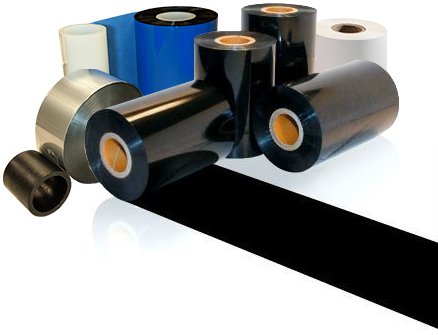
Griffin Rutgers: Bags and Films and Poly Bag Substrates

Long Label Application Using A Mini Wrap Labeling System
This is another demonstration of the versatility of the Mini Wrap Labeling System. This video shows a 23″ long pre-printed label being wrap applied to a large plastic container with the Mini Wrap Labeling System. The Mini wrap is a highly versatile and economical labeling system that can be customized to a specific task or […]

Labeling Break Top Pharma Ampoules
This video is a demonstration of the small item labeling capability of the Robo Wrap System. This compact, table top designed labeling system is able to hold very small cylindrical items in close control so that accurate label placement is achieved consistently. Numerous options are available to customize this system for installation in pharmaceutical manufacturing […]
Medical Labeling: 5 Things You Need to Consider
When it comes to medical labeling, there are some specific points to consider relating to today’s more stringent regulatory environment ensuring health and safety remains paramount. To meet standards and also reduce liability exposure, here are five key things to remember when producing medical labeling:

Print & Apply A Label To The Top And Trailing Panels Of A Moving Carton
This short video shows the print and application of a label to the top and trailing panels of a carton by wrapping it around the top-trailing corner of the carton.

The Global Cosmetic Packaging Market
In a recent report provided from Research and Markets, the global cosmetic packaging market was valued at $24.86 billion in 2017, with the numbers expected to reach a value of close to $31 billion by 2023. When speaking of cosmetics, the term covers a wide range of products. Beyond makeup, it encompasses everything from toothpaste, deodorant, facial products, bath and body products; primarily anything that touches the skin.
Labeling Square & Rectangular Containers
Square and rectangle containers are the norm in many retail, pharmaceutical and manufacturing settings and because of that, product labelers have been specifically designed for these packages. As such, products with three and four panel label applications on square and rectangular containers have become more common. Re-Pack Inc. has designed a line of labeling systems […]

Mini Wrap Labeling Larger Containers
This video is one of a series that we have posted showing the versatility of the Mini Wrap Labeling System. Be sure to view the others also. In this video, the system is applying pre-printed labels to large plastic cylindrical containers with the Large Frame version of the Mini Wrap System. This unit has a […]

High Speed Top & Bottom Labeling System
This video shows two high speeds Series 4 labeling applicators applying labels to the top and bottom of a single passing item. In this case the top label is a clear hang tab that can be seen at the end of the video. The square bottom label is applied through the small space between the […]
Medical Labeling: 3 Practices You Should Always Avoid
Great care must be taken with medical labeling in order to meet stringent requirements as well as to ensure the health and safety of consumers. There are industry best practices and then there are those practices that you should avoid entirely.

Product Labeling: How to Safely Place a Label on Electronic Equipment
When it comes to product labeling, one particular type of product – electronic equipment—does require some care to ensure information is available to the consumer while also adhering to safety concerns. Here we offer some details on product labeling background and insights directly related to electronics.
